
Agriculture has always been the backbone of many economies, especially in developing regions where farming plays a vital role in food production, employment, and economic growth. However, traditional farming methods often limit productivity, increase labor demands, and make it difficult for farmers to scale operations. As global demand for food continues to rise, farmers and agricultural businesses must adopt smarter and more efficient approaches to farming.
One of the most significant developments addressing this challenge is agro-mechanization. Agro-mechanization refers to the use of machinery, modern equipment, and technology to improve agricultural productivity and efficiency. From tractors and harvesters to digital farm management platforms, mechanized farming is transforming how food is produced around the world.
This article explores how agro-mechanization is reshaping modern agriculture, the benefits it offers to farmers and agribusinesses, and how digital technology is accelerating this transformation.
Understanding Agro-Mechanization
Agro-mechanization involves the integration of machines and technology into farming operations to replace or support manual labor. These technologies can include:
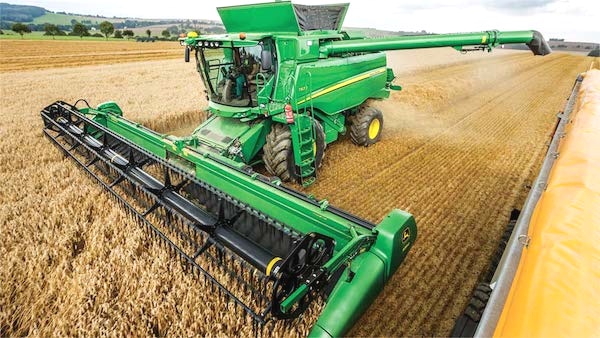
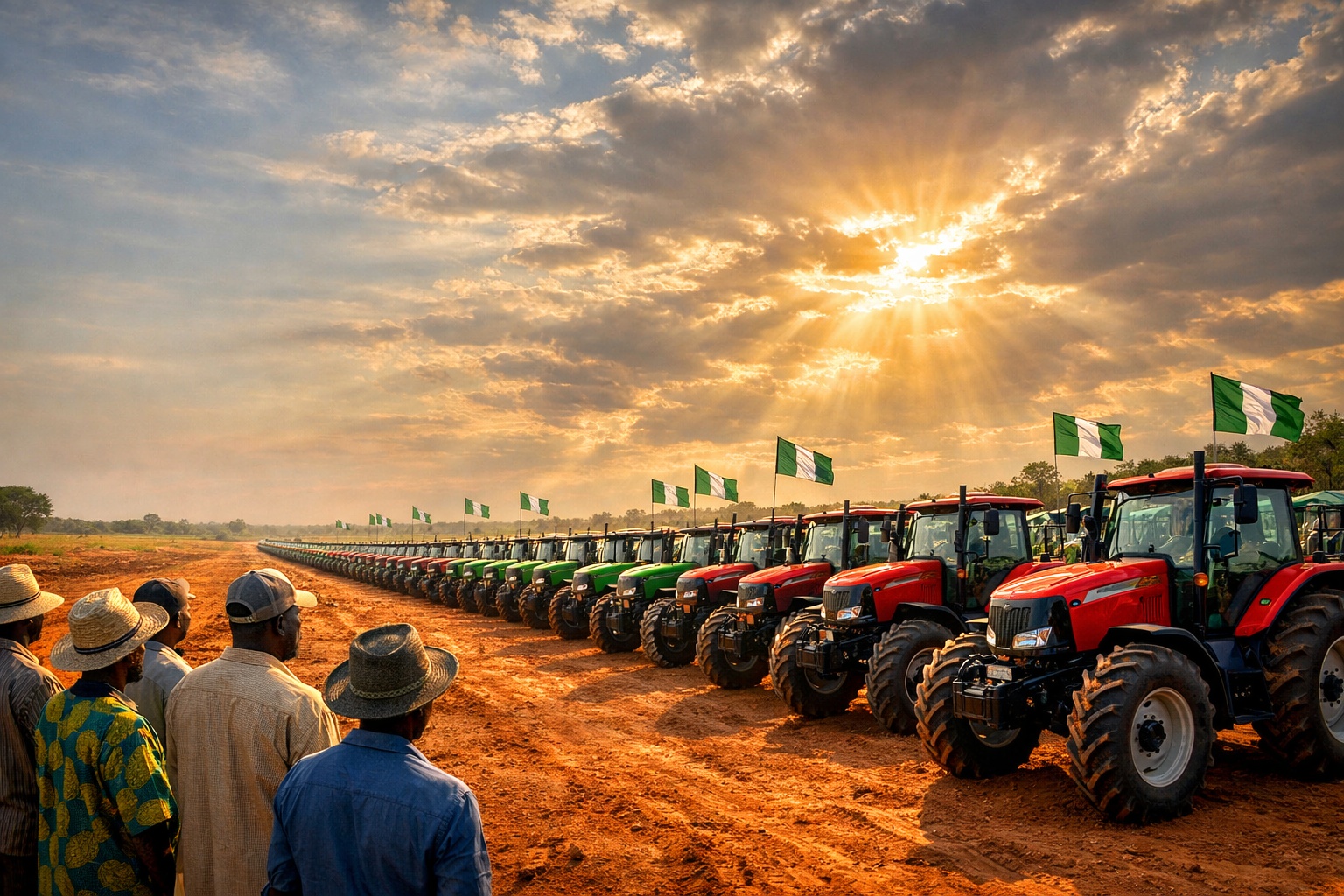
- tractors and plowing equipment
- harvesters and planting machines
- irrigation systems
- GPS-enabled farm equipment
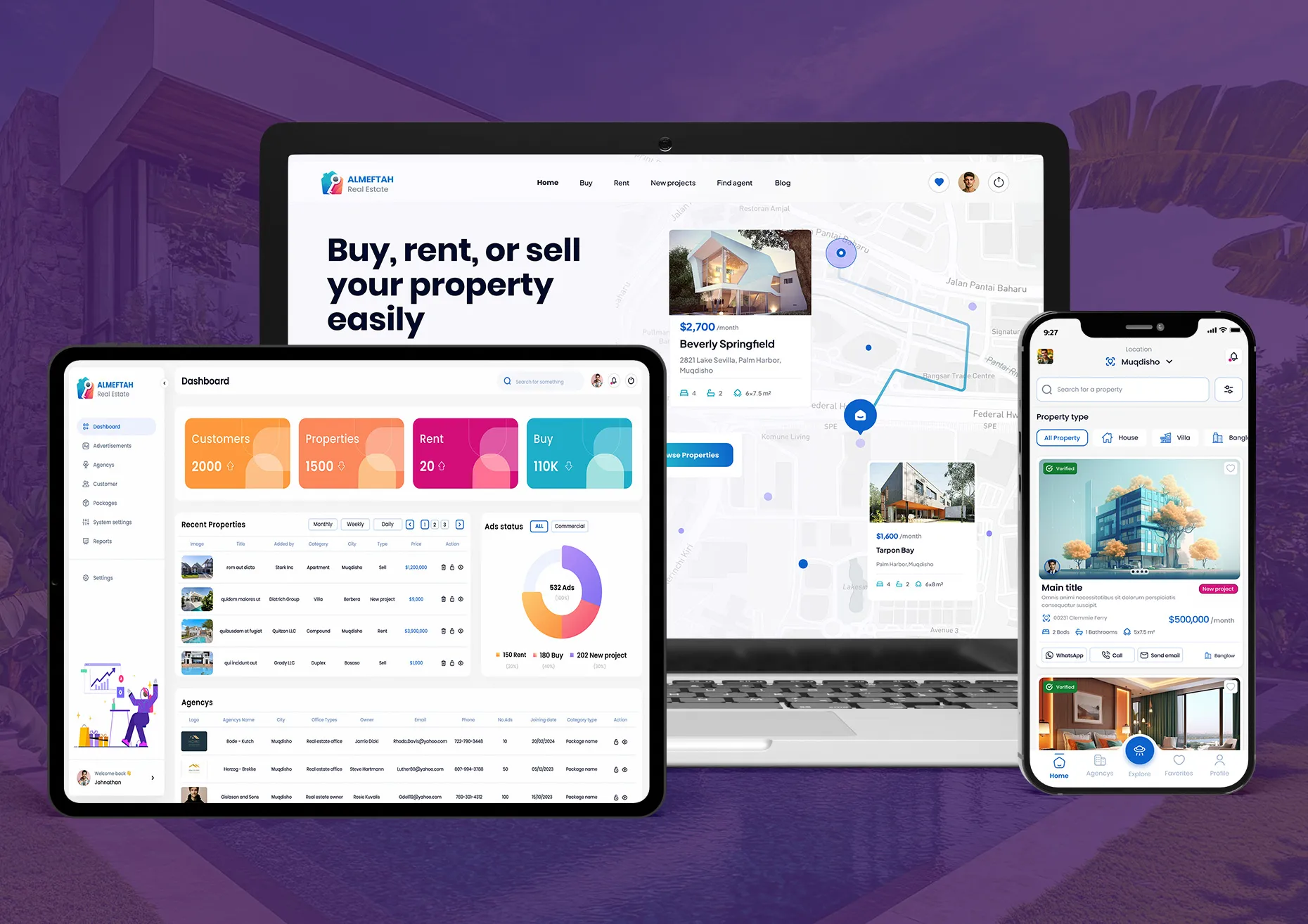
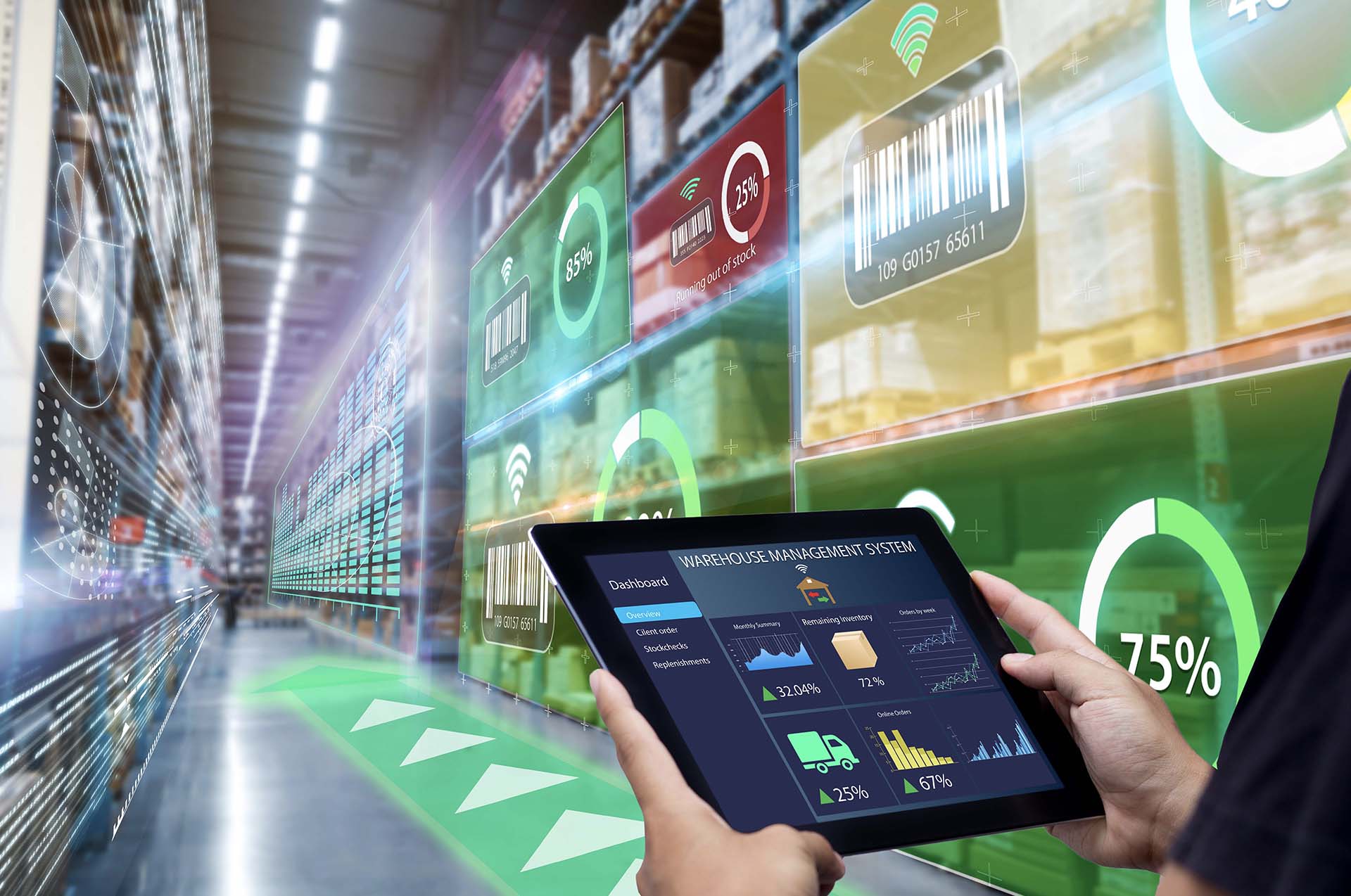
- digital farm management software
Mechanized farming improves the speed, accuracy, and efficiency of agricultural processes.
According to the Food and Agriculture Organization (FAO), agricultural mechanization plays a key role in increasing productivity, reducing labor intensity, and improving the overall efficiency of farming systems.
Reference:
https://www.fao.org/agriculture/crops/thematic-sitemap/theme/mechanization/en/
The Need for Modern Agricultural Solutions
Traditional farming methods rely heavily on manual labor. While these methods have sustained agriculture for centuries, they are often inefficient and cannot meet the growing demand for food.
Some common challenges associated with traditional farming include:
- low productivity
- labor shortages
- inefficient land utilization
- slow planting and harvesting processes
- limited access to modern equipment
Agro-mechanization addresses these challenges by introducing technologies that allow farmers to cultivate larger areas of land more efficiently.
Increased Productivity and Efficiency
One of the most significant benefits of agro-mechanization is increased productivity. Machines can perform tasks much faster and more accurately than manual labor.
For example:
- tractors can prepare large areas of land within hours
- planting machines ensure consistent seed spacing
- combine harvesters reduce harvesting time dramatically
These improvements allow farmers to cultivate more land and produce higher yields.
In many regions, mechanization has enabled farmers to transition from subsistence farming to commercial-scale agriculture.
Reducing Labor Challenges
Agriculture often requires intensive manual labor, especially during planting and harvesting seasons. In many countries, labor shortages have become a serious challenge for farmers.
Mechanized farming helps address this problem by reducing dependence on manual labor. Machines can perform tasks that previously required large teams of workers.
This not only improves efficiency but also allows farmers to focus on strategic activities such as farm management and planning.
Improving Precision and Crop Quality
Modern agricultural machinery often includes advanced technologies such as GPS systems, sensors, and data analytics.
These technologies allow farmers to practice precision agriculture, which involves using data to optimize farming decisions.
Precision agriculture helps farmers:
- monitor soil conditions
- manage irrigation efficiently
- apply fertilizers accurately
- reduce waste
As a result, farmers can improve crop quality while minimizing environmental impact.
Digital Platforms Supporting Agro-Mechanization
Technology is not limited to physical machinery. Digital platforms are playing an increasingly important role in modern agricultural operations.
These platforms allow farmers to:
- locate available farm equipment
- schedule machinery rentals
- monitor equipment usage
- manage agricultural operations digitally
Digital solutions are particularly important in regions where farmers may not own expensive machinery but can access it through equipment-sharing platforms.
Companies such as Urban IQ are developing digital platforms that support agro-mechanization by connecting farmers with equipment providers and enabling efficient farm management.
Case Study: Mechanized Equipment Platforms Supporting Farmers
Consider the example of an agricultural service provider that operates a fleet of mechanized farm equipment, including tractors, plows, and harvesters.
Initially, the company faced several operational challenges:
- farmers struggled to locate available equipment
- scheduling conflicts occurred frequently
- equipment usage was difficult to monitor
- communication between operators and farmers was inefficient
To address these issues, a digital platform was introduced that allowed farmers to:
- search available machinery
- schedule equipment services
- track service requests
Operators could also manage equipment availability and monitor usage through a centralized dashboard.
The results were significant:
- improved equipment utilization
- reduced scheduling conflicts
- faster service delivery to farmers
- increased access to mechanized farming services
This example demonstrates how technology can support agro-mechanization and make modern farming tools accessible to more farmers.
Environmental Benefits of Agro-Mechanization
While mechanization is often associated with increased productivity, it can also contribute to more sustainable farming practices.
Modern equipment and precision agriculture technologies help reduce waste by optimizing the use of resources such as:
- water
- fertilizers
- pesticides
Efficient resource management helps protect soil health and reduces environmental impact.
Organizations such as the World Bank have highlighted the importance of agricultural technology in promoting sustainable food production.
Reference:
https://www.worldbank.org/en/topic/agriculture
Challenges of Agro-Mechanization
Despite its benefits, agro-mechanization also presents several challenges.
Some farmers face difficulties accessing modern machinery due to high equipment costs. Training is also necessary to ensure farmers can operate advanced machines effectively.
However, new business models such as equipment rental platforms and digital farm services are helping address these barriers by making mechanized tools more accessible.
The Future of Mechanized Farming
The future of agriculture will likely be shaped by even more advanced technologies.
Emerging innovations include:
- autonomous farming equipment
- artificial intelligence for crop analysis
- drone-based field monitoring
- Internet of Things (IoT) sensors for soil management
These technologies will continue to transform agriculture and improve food production efficiency.
Farmers who adopt modern tools early will be better positioned to compete in the evolving agricultural landscape.
Questions for Readers
If you are involved in agriculture or agribusiness, consider the following questions:
- Are your farming operations using modern mechanized equipment?
- Could digital tools improve how you manage farm activities?
- Are you maximizing the productivity of your land and resources?
- Could equipment-sharing platforms help you access better farming tools?
These questions can help identify opportunities for improving agricultural efficiency.
Call to Action
Agro-mechanization is transforming agriculture by improving productivity, reducing labor challenges, and enabling farmers to scale operations more efficiently.
Businesses and farmers that embrace modern agricultural technologies will be better equipped to meet the growing demand for food while improving sustainability.
Urban IQ develops digital platforms and technology solutions that support mechanized farming and agricultural innovation.
If you are looking to modernize your agricultural operations or build digital tools that support farming efficiency, now is the time to explore the possibilities.
👉 Contact Urban IQ today to learn how technology can transform your agricultural business.