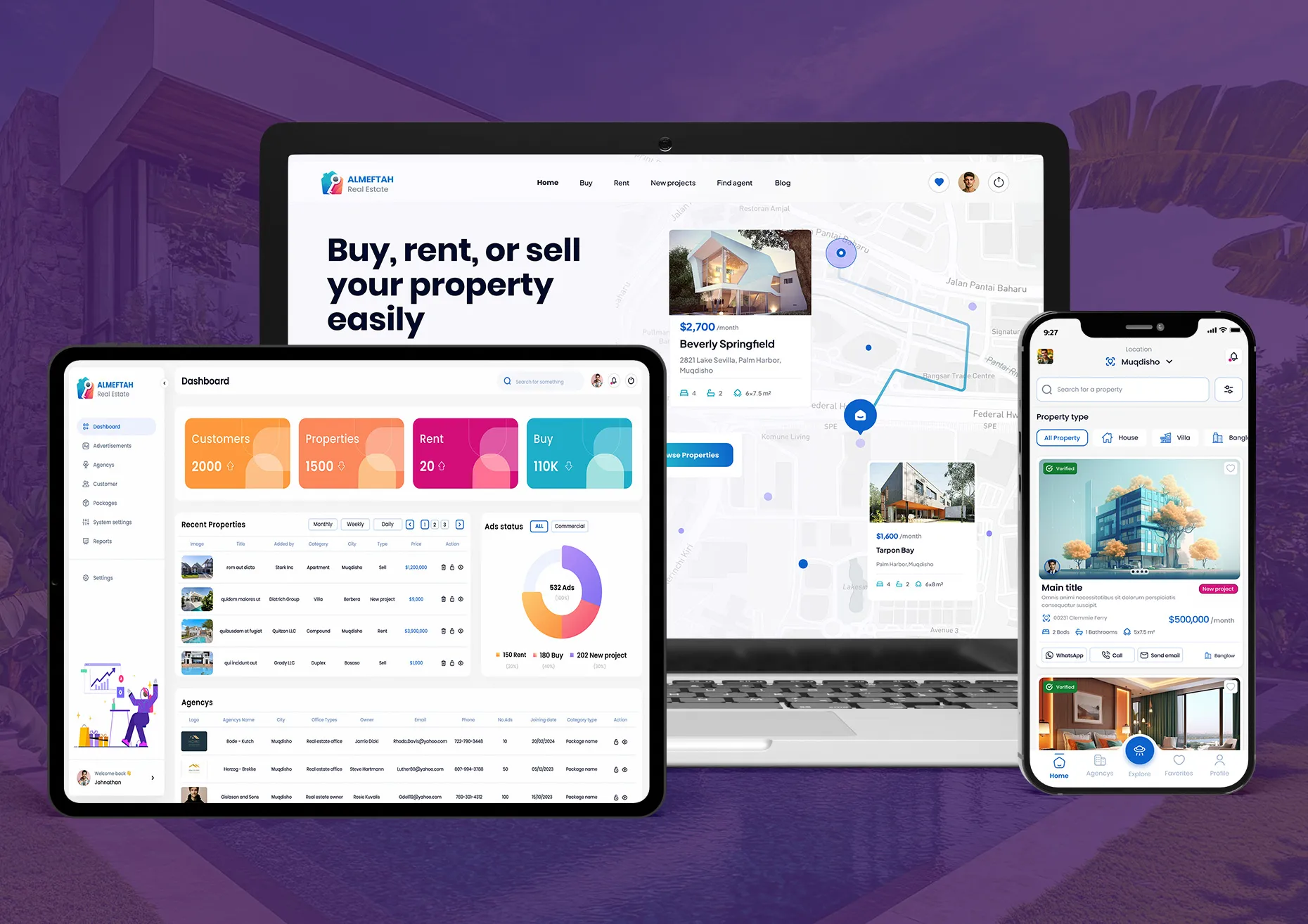


Sundry businesses are constantly seeking ways to improve efficiency, enhance customer experience, and remain competitive in today’s fast-paced world. While many organizations start with off-the-shelf tools and generic software solutions, these tools often become limiting as the business grows. This is where custom software development becomes a powerful strategic investment.
Custom software is designed to meet a business’s unique needs. Instead of forcing your operations to adapt to generic tools, custom solutions are built around your workflows, processes, and goals. For growing companies, this flexibility can mean the difference between stagnation and scalable growth.
In this article, we will explore why custom software development is essential for modern businesses, how it supports long-term growth, and how companies can benefit from tailored digital solutions.
Understanding Custom Software Development
Custom software development refers to the process of designing, building, deploying, and maintaining software solutions tailored to the specific needs of an organization.
Unlike generic software products that serve a wide audience, custom software focuses on solving specific business challenges.
Examples of custom software solutions include:
-
Customer Relationship Management (CRM) systems
-
Inventory management systems
-
HR and payroll management platforms
-
Farm equipment management systems
-
Fleet tracking systems
-
Business analytics dashboards
Companies like Urban IQ specialize in developing custom solutions that integrate seamlessly with business operations and improve efficiency.
The Limitations of Off-the-Shelf Software
Many businesses initially adopt ready-made software because it is quick to deploy and relatively affordable. However, as the organization grows, these systems often reveal significant limitations.
1. Lack of flexibility
Generic tools are designed for a broad market. As a result, they may not support your exact workflow or industry requirements.
2. Unnecessary features
Businesses often pay for features they do not use while missing the features they actually need.
3. Limited scalability
Many off-the-shelf platforms struggle to support business growth or increasing operational complexity.
4. Integration challenges
Connecting multiple third-party systems can become complicated and inefficient.
According to research from McKinsey, companies that adopt digital solutions tailored to their operations significantly outperform competitors in productivity and efficiency.
Key Benefits of Custom Software Development
1. Tailored to Your Business Needs
Custom software is built specifically for your organization. This means the software supports your processes instead of forcing your team to adjust their workflow.
For example, a logistics company may require features like:
-
fleet monitoring
-
route optimization
-
automated delivery tracking
These specialized requirements may not exist in generic software platforms.
2. Improved Operational Efficiency
Automation is one of the biggest advantages of custom software.
Tasks that normally require manual input can be automated, including:
-
data entry
-
inventory tracking
-
payroll processing
-
customer management
Automation reduces human errors and allows teams to focus on strategic activities.
3. Scalability for Business Growth
As businesses grow, their operational needs evolve. Custom software can be designed to scale with your organization.
For example, a company may initially build software to manage 10 employees but later expand the system to support:
-
hundreds of users
-
multiple departments
-
new business units
With custom development, scaling becomes easier and more cost-effective.
4. Competitive Advantage
Custom software allows businesses to create unique operational capabilities that competitors cannot easily replicate.
For example:
-
unique customer experience tools
-
proprietary analytics systems
-
industry-specific automation platforms
These advantages can strengthen brand positioning and market leadership.
5. Better Data Security
Security is a major concern for businesses handling sensitive information.
Custom software provides greater control over:
-
data encryption
-
user access permissions
-
system security protocols
Unlike generic platforms used by thousands of businesses, custom systems reduce exposure to widespread security vulnerabilities.
Case Study: Digital Transformation in Agriculture
One example of custom software improving business efficiency can be seen in the agricultural sector.
A mechanized farming service provider needed a platform that could manage:
-
farm equipment rentals
-
machinery availability
-
farmer bookings
-
equipment usage monitoring
Using traditional tools such as spreadsheets and manual records created several challenges:
-
equipment scheduling conflicts
-
difficulty tracking machinery usage
-
poor coordination between operators and farmers
To solve this problem, a custom digital platform was developed that allowed farmers to:
-
search available farm equipment
-
book machines online
-
track service availability
The system also allowed operators to monitor equipment utilization and manage scheduling efficiently.
As a result:
-
operational efficiency improved significantly
-
equipment utilization increased
-
farmers gained easier access to mechanized services
Platforms like these demonstrate how custom software can transform industries and unlock new opportunities.
When Should a Business Invest in Custom Software?
Businesses should consider custom software development when they experience the following challenges:
Repetitive manual processes
If your team spends significant time performing repetitive tasks, automation can improve productivity.
Rapid business growth
Growing organizations often require systems that scale with their operations.
Multiple disconnected tools
If your business relies on several separate software platforms, a custom system can integrate them into a unified solution.
Unique operational requirements
Industries like agriculture, logistics, healthcare, and finance often require specialized solutions.
How to Start a Custom Software Project
Developing custom software requires careful planning and collaboration.
A typical development process includes:
1. Discovery and consultation
Understanding business goals and operational challenges.
2. System design
Creating architecture and user experience designs.
3. Development
Building the software using modern technologies.
4. Testing and optimization
Ensuring the system works efficiently and securely.
5. Deployment and support
Launching the system and providing ongoing maintenance.
Businesses can work with experienced technology partners such as Urban IQ to build reliable and scalable solutions.
You can learn more about digital transformation and business technology trends from reputable resources like:
The Future of Business Technology
Technology continues to reshape industries worldwide.
Emerging trends such as:
-
artificial intelligence
-
automation
-
Internet of Things (IoT)
-
cloud computing
are driving the next wave of digital innovation.
Companies that invest in custom digital solutions today will be better positioned to compete in tomorrow’s technology-driven economy.
Questions for You
Before you leave, take a moment to think about your business operations.
-
Are you relying on multiple disconnected tools to run your business?
-
Are manual processes slowing down your team?
-
Could automation improve efficiency in your organization?
-
Do you need software designed specifically for your business model?
Your answers may reveal opportunities for digital transformation.
Ready to Build a Custom Software Solution?
Custom software development can help your business streamline operations, improve productivity, and unlock new growth opportunities.
If you’re considering building a digital system tailored to your organization, the team at Urban IQ can help design and develop a solution that fits your needs.
👉 Contact Urban IQ today to discuss your project and discover how custom software can transform your business.